
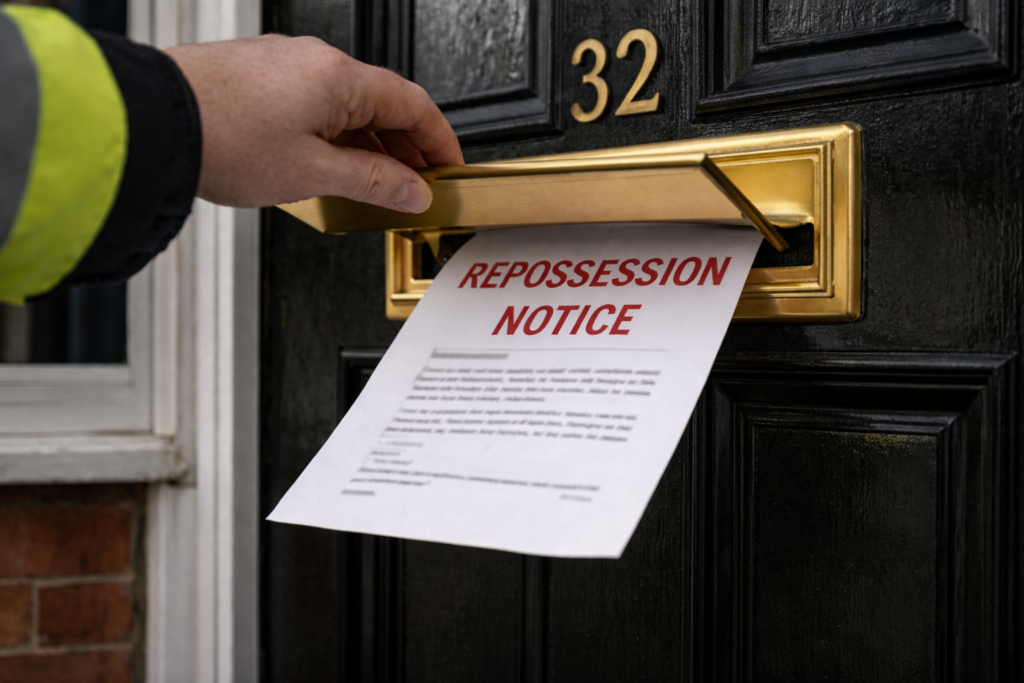
Receiving a letter about mortgage arrears or potential repossession can be extremely stressful. Many homeowners immediately fear losing their home.
However, receiving letters about arrears or a court hearing does not mean you will immediately lose your property. In the UK, repossession can only happen after a legal process through the courts, including a possession claim and hearing. In many cases, there are still ways to delay or potentially prevent repossession. Taking action early, such as negotiating a repayment plan with your lender or seeking professional financial advice, can help you regain control of the situation.
This guide will help you understand the repossession process and the options available to help you keep your home.
If you would like confidential guidance or you would like to speak with one of our experts, please contact us on 0203 411 4451 or email [email protected].
What Does a Possession Claim or Court Hearing Notice Mean?
A possession claim or court hearing notice means your lender has applied to the court to begin legal proceedings to repossess your home. You will usually be given a date to attend a hearing, where a judge will review your situation and decide what happens next. It does not mean you will immediately lose your home. It marks the start of the legal process, and there may still be options available to you.
Arrears Letters Vs Possession Claims: What’s The Difference?
Many borrowers assume that any letter from their lender means repossession is about to happen. In reality, lenders usually send several arrears letters before taking legal action.
An arrears letter informs you that your mortgage payments have fallen behind and encourages you to contact your lender to resolve the situation. A possession claim, however, means the lender has applied to the court to begin legal proceedings, and you will be given a date for a hearing.
Even at this stage, homeowners may still have options to delay or prevent repossession. This can include negotiating a repayment plan, applying to the court, or seeking independent financial or legal advice, all of which may help you remain in your home.
How Much Time Do You Have Before A Repossession?
Repossession is rarely immediate. In most cases, the process can take up to several months or longer, depending on your individual circumstances. The amount of time you have before repossession will often depend on factors such as:
- The level of arrears
- How early and consistently you communicate with your lender
- Court timelines and scheduling
- Any repayment proposals or arrangements put forward
Taking action early can often slow the process and improve your chances of reaching a solution.
The Key Stages of The Repossession Process In The UK

Repossession usually follows a structured legal process, and understanding each stage can help you act at the right time. The typical stages include:
- Missed mortgage payments
- Arrears letters and contact from your lender
- Pre-Action Protocol steps, where lenders must try to resolve the situation with you
- The lender applying to the court for a possession claim
- A court hearing, where a judge reviews your case
- A possession order being granted (in some cases)
- At each stage, there may still be opportunities to resolve the situation and avoid losing your home.
You can also review recent house repossession statistics in the UK to better understand how common these situations are: house repossession facts and figures in the UK
Don’t Ignore Lender or Court Correspondence
Ignoring letters or calls from your lender or the court is one of the biggest mistakes homeowners can make. While it may be tempting to avoid the situation, doing so will only allow it to escalate further.
Why Ignoring Letters Makes Things Worse?
Lenders may interpret a lack of response as unwillingness to cooperate, which can lead to faster escalation of the situation, including legal action. Ignoring correspondence reduces the opportunity to resolve the issue early.
Responding promptly shows that you are willing to engage, and under UK regulations, lenders are expected to consider reasonable proposals and follow a fair process before progressing further.
What Happens If You Miss Your Court Date?
If you miss your possession hearing, the court may make a decision in your absence, which could result in a possession order being granted. This means you lose the opportunity to present your situation or propose a repayment plan.
If you cannot attend, it’s important to inform the court in advance or seek advice as soon as possible to understand your options.
Contact Your Lender As Soon As Possible
Once you receive an arrears letter or any communication about missed payments, it’s important to contact your lender as soon as possible. Early communication can help open the door to potential solutions, such as repayment arrangements or temporary support, which may help prevent the situation from escalating.
What To Say When You Speak To Your Mortgage Lender?
You can explain:
- Why your payments were missed
- Your current financial circumstances
- What repayment arrangements you may be able to afford
Being open and honest can improve your chances of reaching an agreement and avoiding further action.
What Lenders Must Do Before Going To Court
Before applying to the court for possession, lenders are required to follow specific steps under UK regulations. This includes making reasonable efforts to resolve the situation with you first.
They should provide clear information about your arrears, consider any repayment proposals you put forward, and explore alternative arrangements where possible before starting legal proceedings.
Know Your Options To Prevent Repossession
Even if legal proceedings have already started, there may still be options available to help you delay or prevent repossession, depending on your circumstances.
TIC Finance has successfully supported many homeowners in understanding their situation and exploring the options available to help prevent repossession.
If you would like confidential guidance or you would like to speak with one of our experts, please contact us on 0203 411 4451 or email [email protected].
Get Professional Support Before Your Court Date
A repossession hearing can feel daunting, especially if you are unsure what to expect or how to present your situation. Having the right support in place beforehand can make a significant difference, helping you better understand the process and the options available to you.
TIC Finance has supported many homeowners in similar situations, providing guidance and clarity during what can be a stressful time. Speaking to an experienced team before your court date can help you feel more prepared and confident about the next steps.
What Happens at a Repossession Court Hearing in the UK?
At the hearing, a judge will review the details of your case, including:
- The level of mortgage arrears
- The communication between you and your lender
- Your current financial situation and ability to repay the debt
Based on this, the judge will decide what happens next. This may include granting a possession order, suspending the order with agreed repayment terms, or adjourning the case to a later date.
Can You Stop Repossession at the Court Hearing?
In some cases, repossession may still be delayed or avoided at the court hearing, depending on your circumstances. The court will consider factors such as:
- Whether you can offer a realistic repayment proposal
- Evidence that your financial situation may improve
- Any pending property sale or refinance
Courts will assess each case individually and may consider solutions that allow homeowners to remain in their property where it is reasonable to do so.
How TIC Finance Helps You Navigate the Process

When financial pressure leads to mortgage arrears, many homeowners need time, clarity, and a structured approach to move forward.
TIC Finance works with property owners to help them better understand their situation and explore potential options, which may include:
- Property sale strategies
- Structured funding to help resolve arrears
The aim is to provide clear guidance and support, helping homeowners see the full picture and identify realistic ways forward based on their individual circumstances.
There Are Still Options Available To You
Receiving notice of potential repossession can be overwhelming, bringing stress, worry, and uncertainty. Many homeowners delay seeking help due to embarrassment or simply not knowing who to turn to.
The reality is that repossession situations are more common than many people realise, and taking action early can make a significant difference. In many cases, there are still practical options available depending on your individual circumstances.
TIC Finance understands how difficult these situations can be. Our team can review your circumstances in confidence and help you better understand the options available to you. These may include restructuring your finances, exploring funding solutions, or considering a managed sale of your property.
If you would like confidential guidance, contact us today on 0203 411 4451 or email [email protected] to speak with one of our experts.